เหล่าบรรดาสิงห์อมควันทั้งหลายที่กำลังมองหาร้านขายน้ำยาและอุปกรณ์บุหรี่ไฟฟ้าต่างๆ ในกรุงเทพอยู่นั้น…วันนี้เราจะมาฝากลายแทงให้กับทุกๆ ท่านที่สนใจกันเอาไว้ครับ กับ “5 ร้านขายน้ำยาบุหรี่ไฟฟ้าในกรุงเทพที่น่าเชื่อถือ” จะมีร้านไหนกันบ้างนั้น เราไปชมกันเล้ยย!!! 5 ร้านขายบุหรี่ไฟฟ้าในกรุงเทพ ●ร้าน Egothai เป็นร้านจำหน่ายบุหรี่ไฟฟ้า น้ำยาบุหรี่ไฟฟ้า Pod
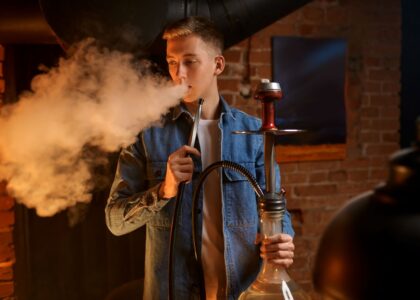
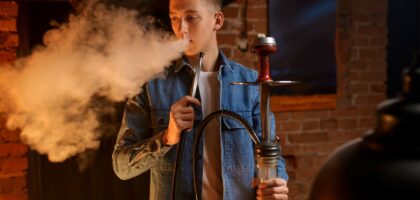
ว่ากันด้วยเรื่องของ “บุหรี่ไฟฟ้า” แล้วนั้น…หลายๆ ท่านเคยคิดถึงที่มาที่ไปของเจ้าบุหรี่ไฟฟ้าตัวนี้กันหรือมั้ย ส่วนตัวผู้เขียนกลับคิดว่า บุหรี่ไฟฟ้าคือ “การผสมผสานระหว่างบารากุกับบุหรี่จนเกิดมาเป็นบุหรี่ไฟฟ้า” ซึ่งเป็นแนวคิดที่มีมูลเหตุ วันนี้เราเลยอยากพาทุกๆ ท่านไปทำความรู้จักกับเจ้า “บารากุ” กับ “บุหรี่ทั่วๆ ไป” กันดูสักหน่อยครับ
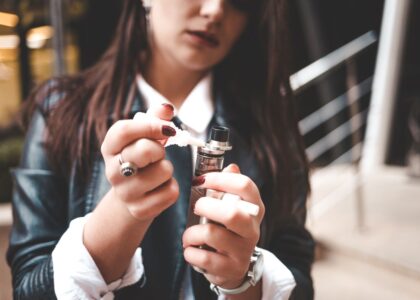
หลายๆ ท่านที่เคยสูบบุหรี่ไฟฟ้าหรืออยู่ใกล้ชิดผู้ที่สูบก็คงจะได้สัมผัสกับกลิ่นหรือควันของบุหรี่ไฟฟ้ากันมาแล้วใช้มั้ยหล่ะครับ ซึ่งเรียกได้ว่ามีหลากหลายกลิ่นที่มีความหอมมากกว่าบุหรี่ธรรมดาทั่วไปมากๆ เลยหล่ะครับ วันนี้เราอยากจะพาทุกๆ ท่านไปพบกับ “ที่มาของกลิ่นหอมจากบุหรี่ไฟฟ้า” ที่น่าสนใจกันครับ จะเป็นอย่างไรบ้างนั้น…เราไปชมกันเล้ยย!!! ที่มาของกลิ่นหอมหวานในน้ำยาบุหรี่ไฟฟ้า ที่มาที่ไปนั้นก็คือ สารแต่งกลิ่นและรส เป็นสารเคมีที่ใช้กับอาหารทั่ว ๆ ไป

เหล่าบรรดาสิงห์อมควันทุกๆ ท่าน เคยคิดสงสัยกันบ้างหรือไม่ครับว่า ในไอน้ำหรือควันที่เราพ่นๆ กันจากบุหรี่ไฟฟ้าเนี่ย มีอะไรเป็นส่วนประกอบกันบ้าง วันนี้เราจึงอยากพาทุกๆ ท่านไปค้นหาคำตอบกันสักหน่อยครับ เพื่อจะเป็นความรู้ที่ดี ที่ติดตัวทุกๆ ท่านกันไปนั้นเองครับ ควันจากบุหรี่ไฟฟ้าเกิดจากอะไร? เนื่องจากบุหรี่ไฟฟ้าเป็นอุปกรณ์สูบบุหรี่ชนิดหนึ่ง ซึ่งใช้กลไกไฟฟ้าทำให้เกิดความร้อนและไอน้ำที่ประกอบไปด้วยสารเคมีต่าง ๆ
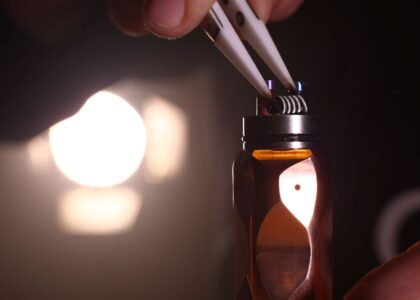
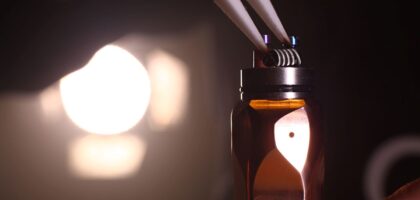
หลายๆ ท่านที่มีความชื่นชอบในการสูบบุหรี่ต่างก็ต้องเคยได้ยินได้ฟังกับเรื่องเกี่ยวกับ “บุหรี่ไฟฟ้า” ที่กำลังได้รับความนิยมอย่างล้นหลามและค่อยๆ กระจายตัวออกไปเรื่อยๆ ซึ่งจุดเด่นของบุหรี่ไฟฟ้าก็มีหลากหลายอย่างให้ได้กล่าวถึงเลยหล่ะครับ แต่ในวันนี้เราอยากเป็นตัวแทนในการพาทุกๆ ท่านไปสำรวจเกี่ยวกับ “คอยล์บุหรี่ไฟฟ้าทำมาจากอะไร” และมีหลักการทำงานอย่างไรกันแน่ เพื่อเป็นการไม่เสียเวลาเราไปจะพาไปค้นหาคำตอบกันครับ ทำความรู้จักกับ “คอยล์บุหรี่ไฟฟ้า” คอยล์เป็นอุปกรณ์ส่วนหนึ่งของบุหรี่ไฟฟ้า มีหน้าที่ทำความร้อนให้ตัวน้ำยาระเหยกลายเป็นควัน
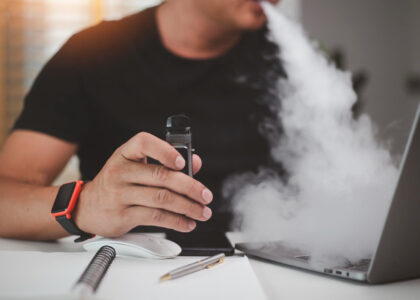
“บุหรี่” ถือว่าเป็นสิ่งหนึ่งที่อยู่คู่กับชาวไทยมาอย่างช้านาน ขึ้นชื่อว่าเป็นสิ่งที่ให้โทษมากกว่าให้ประโยชน์ เนื่องด้วยเป็ฯสารก่อโรคร้ายแรงทั้งต่อตนเองและครอบข้าง แต่ก็ไม่วายที่จะมีนักสูบหน้าใหม่เกิดขึ้นมาอยู่เรื่อยๆ จะดีกว่ามั้ยถ้าเราสามารถเปลี่ยนมาสูบสิ่งอื่นที่คล้ายๆ กัน แต่ไม่ก่ออันตรายทั้งต่อตนเองและคนรอบข้าง วันนี้เราจึงอยากขอเสนอ “บุหรี่ไฟฟ้า” พร้อมกับข้อดีของมัน ให้กับทุกๆ ท่านได้ลองสัมผัสกันดูครับ ความแตกต่างระหว่างบุหรี่ไฟฟ้ากับบุหรี่ธรรมดาทั่วไป เนื่องด้วยบุหรี่ธรรมดานั้น

เชื่อกันว่าหลายๆ ท่านที่เป็นสิงห์อบควันต่างก็คงจะรู้จักกับ “บุหรี่ไฟฟ้า” กันอย่างแน่นอนใช่มั้ยหล่ะครับ ซึ่งท่านทั้งหลายต่างก็ต้องการหาแหล่งหรือร้านซื้ออุปกรณ์เกี่ยวกับบุหรี่ไฟฟ้ากันอย่างแน่นอน บทความนี้จะขอพาทุกๆ ท่านที่สนใจไปพบกับ “5 ร้านขายบุหรี่ไฟฟ้าและอุปกรณ์อื่นๆ ครบวงจรใกล้กรุง” กันครับ จะมีร้านใดบ้างนั้น เราไปชมกันดีกว่าครับ 5 ร้านขายบุหรี่ไฟฟ้าและอุปกรณ์อื่นๆ
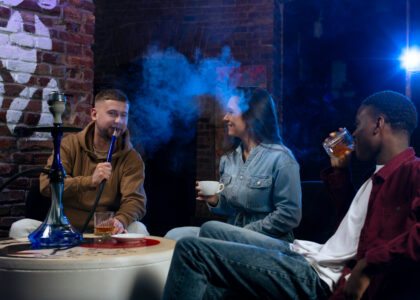
หากว่ากันด้วยเรื่องของการทำความสะอาดต่างๆ นั้น ย่อมเกิดขึ้นกับสิ่งที่เราต้องใช้งานกันเป็นประจำอย่างแน่นอนครับ ไม่ว่าจะเป็นการล้างแก้ว การล้างรถ การเช็ดทำความสะอาดบ้านหรือแม้กระทั้งจะเป็นการทำความสะอาด “บุหรี่ไฟฟ้า” ก็ต้องทำเช่นกันครับ เราเชื่อว่าคงจะมีหลายๆ ท่านไม่ทราบถึงความสำคัญของการดูแลความสะอาดของอุปกรณ์นี้กันอย่างแน่นอน บทความนี้จึงอยากพาทุกๆ ท่านไปพบกับ “วิธีทำความสะอาดบุหรี่ไฟฟ้า” กันครับ ทำความรู้จักกับลักษณะและส่วนประกอบของบุหรี่ไฟฟ้ากันสักหน่อย